


23/08/2026 by MeWa 0 Comments
How Often Do Commercial Scales Need to Be Legally Verified Under Weights and Measures Law?
Legal Verification Requirements and Verification Periods for Businesses at a Glance
Anyone who uses weighing scales in a commercial environment will sooner or later need to deal with the subject of legal verification. This is particularly important whenever weighing results are not used solely for internal purposes but have legal or economic significance. This includes, for example, sales, billing, incoming goods, outgoing goods or official documentation.
But how often do commercial scales actually need to be legally verified? The answer depends on the type of scale, its area of application and the applicable verification periods. For many scales, the verification period is two years, although there are exceptions. Companies should therefore always check which period applies to their specific weighing equipment.
What Does Legal Verification of Scales Mean?
Legal verification is a statutory inspection of a measuring instrument. It checks whether the scale meets the prescribed legal requirements and measures within the permitted error tolerances. Once successfully verified, the scale may be used for applications subject to legal metrology requirements.
When Do Commercial Scales Need to Be Legally Verified?
As a general rule, a scale must be legally verified when it is used in commercial transactions. This means that the weighing result forms the basis for sales, purchasing, invoicing, price calculation or legally relevant documentation.
Typical examples include:
- Selling goods by weight
- Incoming and outgoing goods where billing is based on weight
- Weighing vehicles for billing purposes
- Use of scales in retail
- Use of counting scales for goods with a relevant monetary value
- Providing weight records to customers, suppliers or authorities
If a scale is used exclusively for internal checks, the situation may be assessed differently. However, the specific application should always be examined carefully, as even small differences in how a scale is used may determine whether legal verification is required.
How Often Do Commercial Scales Need to Be Legally Verified?
The verification period depends on the type of scale and the applicable statutory requirements. For many scales, the verification period is two years. This means that once this period has expired, the scale must be verified again if it is to continue being used for applications subject to legal metrology requirements.
There are, however, exceptions. Different periods may apply depending on the measuring instrument, its application or its design. Companies should therefore not automatically assume that the same verification period applies to every scale.
Checking the verification period is particularly important for:
- Vehicle scales
- Industrial scales
- Floor scales
- Pallet scales
- Counting scales
- Retail scales
- Checkweighers
- Scales used in production, retail and logistics
The applicable verification period can usually be identified from the markings on the measuring instrument or from the documentation supplied with the scale. If there is any uncertainty, the responsible weights and measures authority or a specialist company should be consulted.
Legal Verification, Calibration and Maintenance: The Differences at a Glance
Legal verification, calibration and maintenance are often mentioned together when discussing weighing equipment. However, they serve different purposes and should be clearly distinguished from one another.
Legal Verification – for Legally Compliant Use
Legal verification checks whether a scale complies with statutory requirements. It is relevant whenever the measured weights are used, for example, for sales, invoicing or official documentation. For applications subject to legal metrology requirements, verification is mandatory.
Objective: Ensure legally compliant and reliable use of the scale.
Calibration – Checking Measurement Accuracy
Calibration determines and documents how much the displayed measured value deviates from the actual reference value. It is particularly important for quality assurance and the monitoring of internal processes. However, calibration does not replace legally required verification.
Objective: Identify measurement deviations and document accuracy in a traceable manner.
Maintenance – Maintaining Reliable Operation
Regular maintenance helps ensure that a scale continues to operate reliably and without faults. Wear, technical defects or possible measurement deviations can be detected at an early stage. There is generally no statutory obligation to carry out maintenance, but regular servicing is recommended to ensure reliable long-term operation.
Objective: Maintain the operational reliability and functionality of the scale over the long term.
In short:
Legal verification: legally compliant use for applications subject to legal metrology requirements
Calibration: documented assessment of measurement accuracy
Maintenance: reliable and trouble-free operation
What Happens If a Scale Is Not Legally Verified on Time?
If a scale that is subject to legal verification continues to be used after the verification period has expired, this may have legal and financial consequences. Valid verification is particularly important when weighing results are used for billing, sales or official documentation.
Possible consequences include:
- Complaints or objections during inspections
- Legal issues
- Invalid or contestable weighing results
- Problems with billing and documentation
- Additional organisational effort caused by short-notice inspections or re-verification
Companies should therefore document their verification periods and schedule new appointments in good time. Businesses that receive professional support can reduce the risk of overlooking deadlines or preparing too late for necessary inspections.
What Should Companies Keep in Mind?
Companies should not wait until shortly before the verification period expires before addressing the issue. A simple internal process can help ensure that no deadlines are missed.
Important points include:
- Check the type of scale and its application
- Clarify whether legal verification is required before use
- Document the verification period
- Schedule the verification appointment in good time
- Clean the scale and ensure it is accessible before verification
- Schedule regular maintenance and inspections
- Check whether verification remains valid after modifications or repairs
Conclusion: How Often Do Commercial Scales Need to Be Legally Verified?
Commercial scales must be legally verified when they are used for applications subject to legal metrology requirements, such as sales, billing or official documentation. For many scales, the verification period is two years, although different periods may apply depending on the type of scale and its intended use. The decisive factor is therefore always how the scale is actually being used.
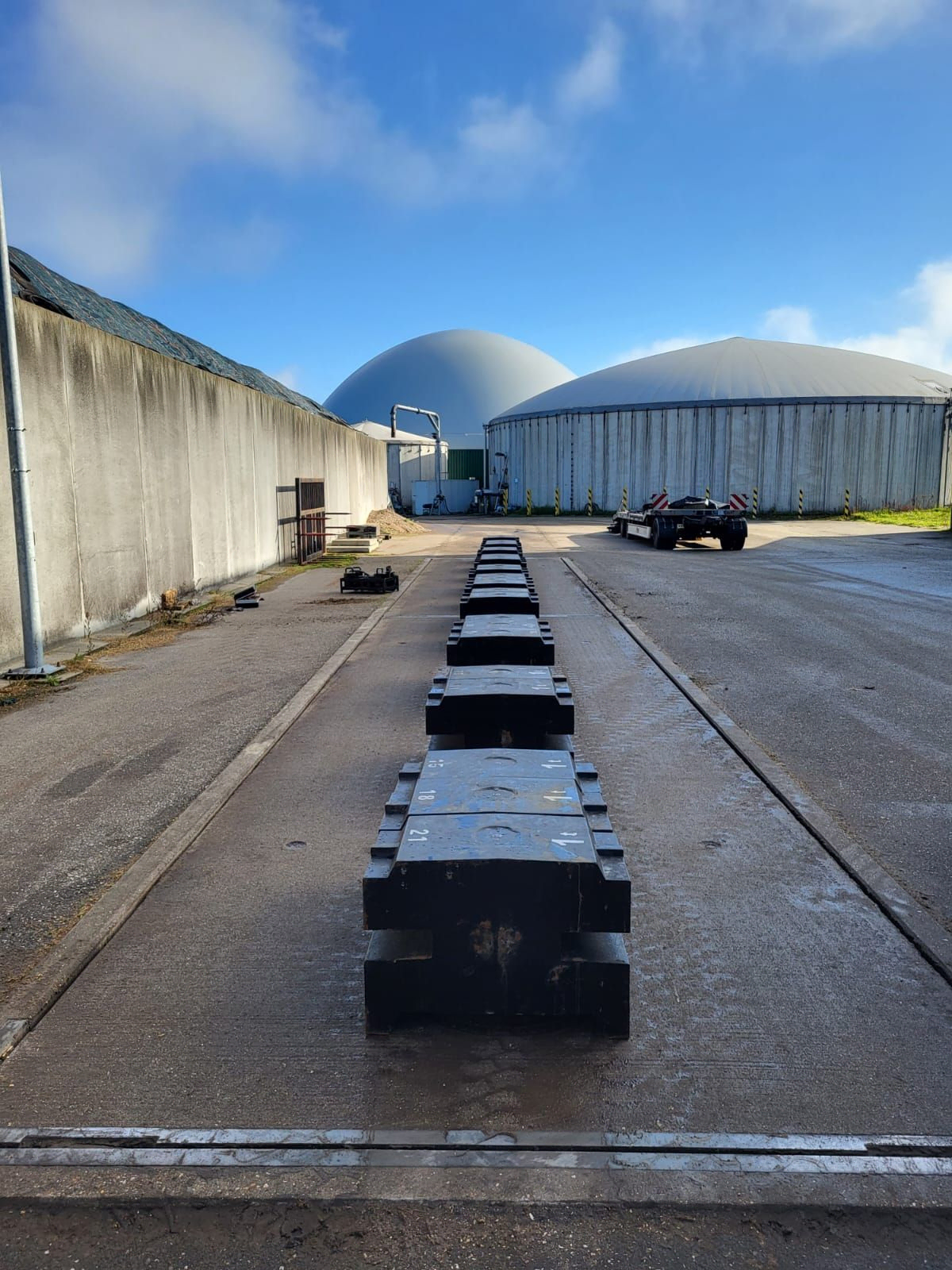
MeWa supports companies with the legal verification process, coordinates appointments with the responsible weights and measures authority and, for vehicle scales, organises the necessary verification vehicle. This reduces the organisational workload for operators and ensures that initial verification, re-verification and servicing are professionally prepared.
If you are unsure whether your scale needs to be legally verified, when the next re-verification is due or what preparations are required, MeWa is the right partner to contact. Together, we can determine which requirements apply to your weighing equipment and how verification, maintenance and servicing can be planned efficiently.
FAQ: Commercial Scales and Legal Verification
How can I tell whether my scale is still legally verified?
The validity of the verification can usually be determined from the markings on the scale or from the relevant documentation. If there is any uncertainty, the responsible weights and measures authority or a specialist company can provide assistance.
Does a scale need to be legally verified again after a repair?
This may be necessary if the repair affects components relevant to the measurement or influences the validity of the existing verification. After repairs, it should therefore always be checked whether re-verification is required.
Who is responsible for legal verification?
As a general rule, responsibility lies with the operator or user of the scale. This means that the company using the scale for applications subject to legal metrology requirements must ensure that verification is applied for and carried out within the required period.

Comments
Leave a comment